
Denver Residential Landscaping with Garden Planters
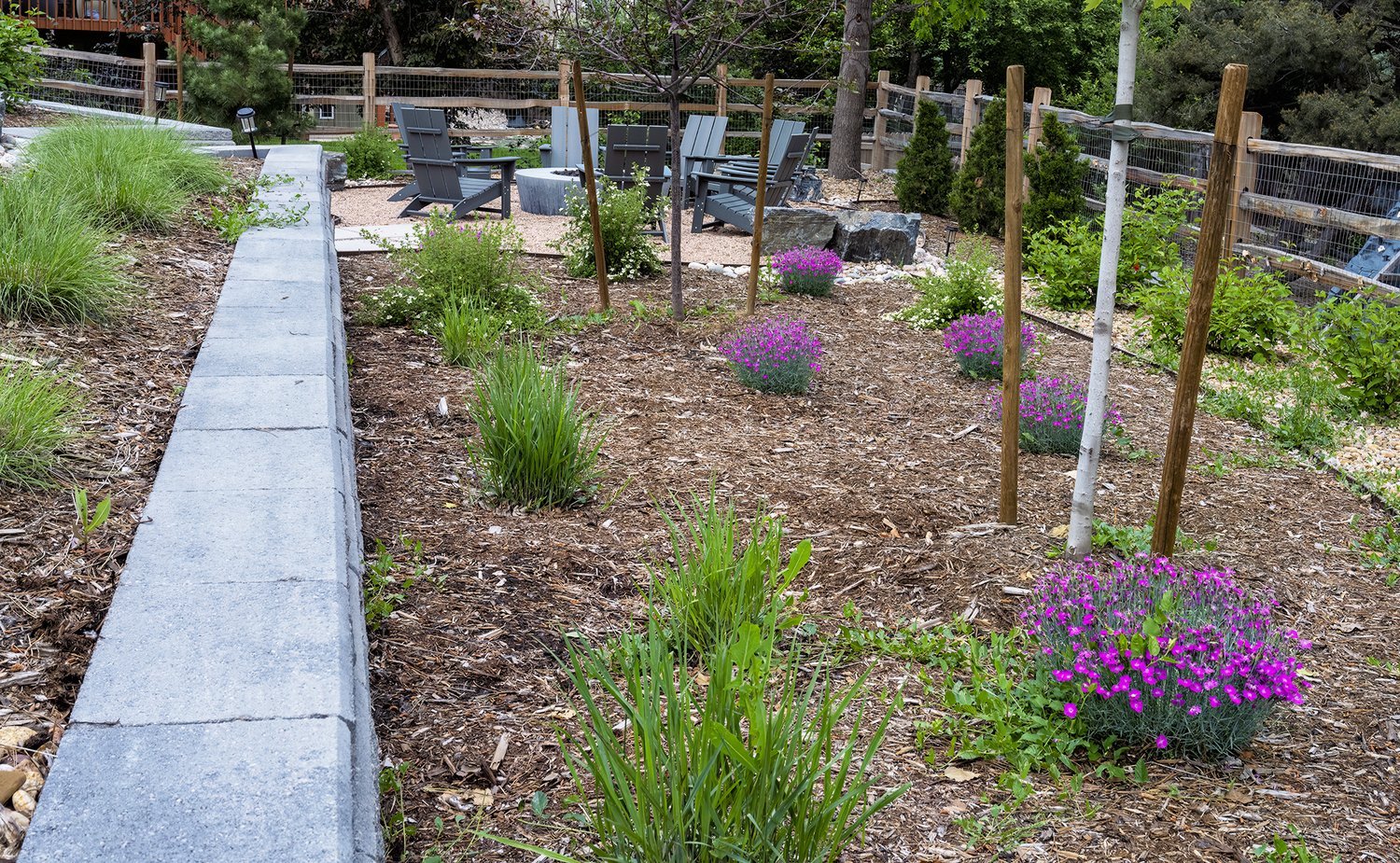
A backyard vegetable garden sounds simple until the shovel hits the soil. You picture stepping outside to pick fresh herbs for dinner, tomatoes ripening on the vine, and basil filling the air. Then the digging begins. Denver soil can be stubborn. Clay holds moisture too long, rocky layers restrict root growth, and traditional garden beds often struggle before vegetables ever have a chance to establish themselves.
Denver soil often works against traditional gardens, where heavy clay traps water and compact layers restrict root growth. In well-planned Denver residential landscaping, raised garden planters create controlled growing zones with healthier soil, better drainage, and room for plants to develop strong roots. When these planters are integrated into the landscape layout, they also bring structure to the yard. Instead of a garden that feels tucked away or improvised, the growing space becomes a natural extension of the overall landscape design.
Why Planters for Vegetable Gardens Work in Denver Landscapes
Gardening directly in the ground can be unpredictable along the Front Range. Native soil tends to compact easily, which limits how roots absorb nutrients and moisture. This is where planters for vegetable gardens offer a clear advantage. Raised planting areas allow homeowners to introduce nutrient rich soil that supports strong roots and more consistent harvests. Healthy soil structure improves how plants absorb water, which becomes especially important in Colorado’s dry climate. Raised planters also warm up faster in spring, giving vegetables a stronger start during Denver’s relatively short growing season.
Integrating Garden Planters into Denver Residential Landscaping
Vegetable gardens do not have to sit in an isolated corner of the yard. In well-planned Denver residential landscaping, planters can frame outdoor living areas, guide pathways, and add visual rhythm throughout the landscape. Imagine cedar garden boxes lining a stone path filled with herbs and vegetables. The planters introduce color and texture while guiding movement through the yard. Successful placement begins with careful planning. Sun exposure, circulation, and yard layout all influence where planters should be located. A closer look at the design process shows how outdoor spaces evolve from early concepts into finished landscapes.
Vegetables That Thrive in Denver Garden Planters
Denver’s elevation and climate influence what grows best in backyard gardens. Strong sunlight, cool nights, and a shorter frost-free season make raised planters a more reliable growing option.
Several vegetables consistently perform well in gardens across the Colorado Front Range when grown in raised beds:
• Tomatoes and cherry tomatoes
• Peppers and chili varieties
• Leafy greens such as lettuce, spinach, and kale
• Herbs including basil, thyme, and parsley
• Root vegetables like carrots and radishes
Planting timing also plays an important role in Colorado’s climate, and following a seasonal planting guide can help gardeners choose the right windows for sowing and harvesting. Raised planters help crops establish quickly in nutrient rich soil and improve harvest consistency throughout the season.
How Edible Gardens Enhance Denver Outdoor Living Spaces
A productive garden changes how homeowners experience their yard. Instead of serving only as decoration, the landscape becomes interactive and rewarding, with fresh vegetables just steps from the kitchen. This is one reason edible gardens are becoming increasingly popular in metro Denver landscapes. Planters add seasonal color and structure while contributing something meaningful to everyday life. Homeowners looking for additional ways to improve outdoor spaces often explore ideas that elevate your garden through thoughtful planting layouts and landscape improvements.
A Landscape That Grows with Your Home
The most rewarding outdoor spaces support daily routines, encourage time outdoors, and transform underused areas of the yard into something meaningful. That is why many homeowners incorporate planters for vegetable gardens into Denver residential landscaping designs. When placed well, these gardens become a natural extension of the landscape rather than a temporary feature.
Ready to Bring Your Landscape Vision to Life?
A well-planned landscape can turn your backyard into a space that grows fresh food, supports outdoor living, and adds lasting value to your home. Our team brings years of experience designing and building outdoor environments tailored to Colorado’s climate and lifestyle.
If you are ready to explore what is possible for your property, contact us today to schedule a consultation and start planning a landscape that works beautifully for your home.