
When Should You Schedule a Sprinkler Blowout in Denver
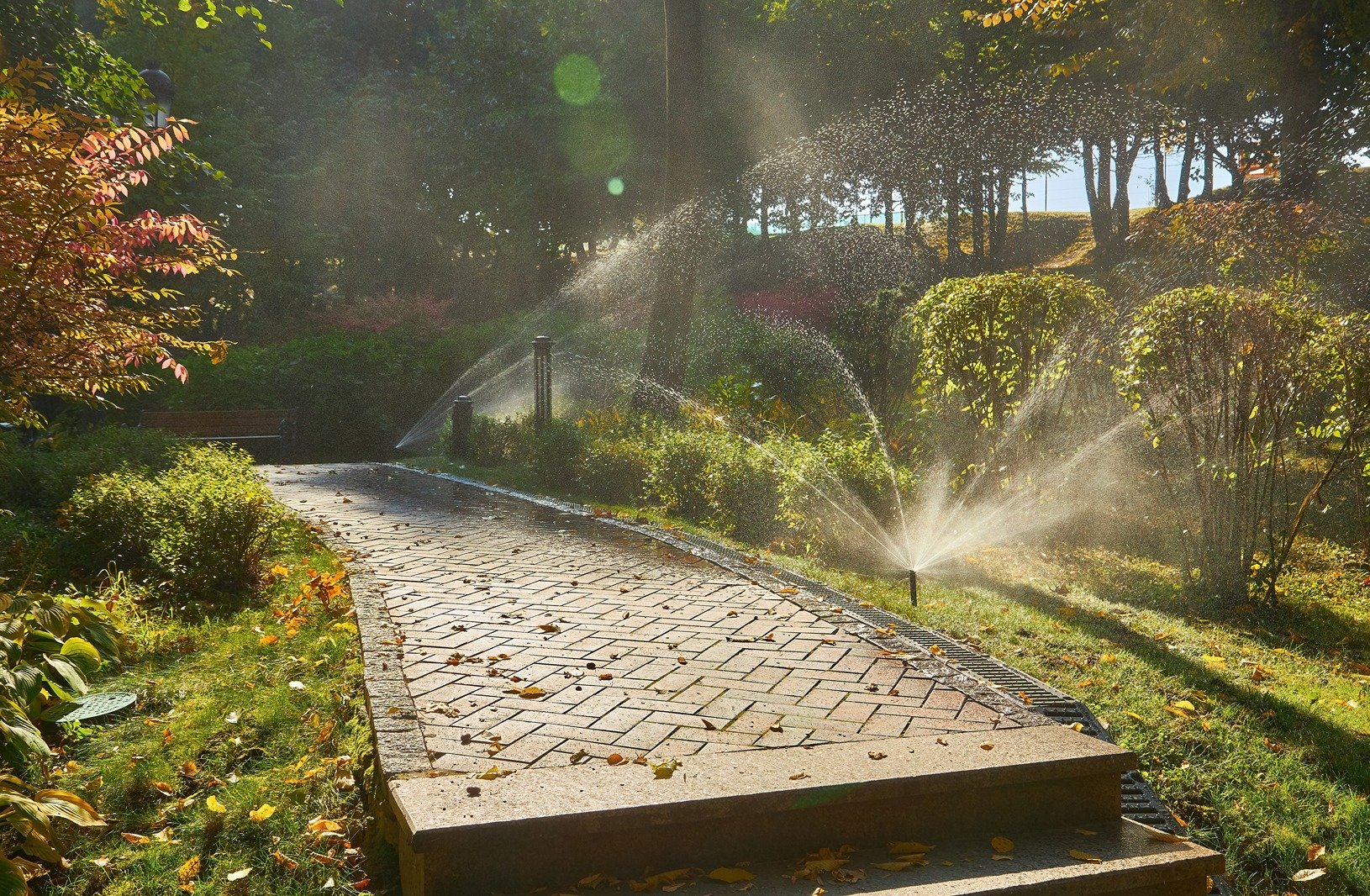
Ask anyone who skipped irrigation prep last October. A cracked backflow preventer costs far more than a professional sprinkler blowout. Denver Water made its usual watering season cutoff mandatory for 2026, requiring affected customers to stop lawn watering and spray irrigation after September 30. For homeowners across the Front Range, it's also a timely reminder to schedule irrigation winterization before freezing weather arrives. If your yard relies on an irrigation system, proper water management becomes especially important when you have older PVC lines or exposed backflow preventers. Homeowners who wait to winterize sprinklers in Denver often assume a warm afternoon means the risk has passed, which is exactly what leads to spring repairs.
Winterize Sprinklers in Denver Before Freezing Weather Arrives
Denver Water's board issued a mandatory shutoff order after worsening drought conditions left reservoir storage well below normal. In a normal year, the May through October watering window serves as general guidance. Not this year. Lawn watering and spray irrigation must stop after September 30 for affected Denver Water customers, with no restart date confirmed for spring. The shift moves the winterization timeline earlier, and waiting for the first cold snap means competing for a shorter scheduling window.
For every other step, from insulating exposed pipe to resetting your controller, our complete winterization guide covers the full checklist.
What Temperature Causes Sprinkler Systems to Freeze?
Water expands roughly nine percent when it turns to ice, which can split pipes, valves, and backflow preventers from within. Denver’s average first freeze arrives around October 7, leaving little room to delay sprinkler winterization. A hard freeze can put water left in irrigation lines and exposed components at serious risk of damage. Front Range weather can swing forty degrees between an October afternoon and its overnight low. Warm afternoons do not mean your system is safe. Homeowners across Jefferson County and the Mile High City see this pattern most often in the fall, when freezing weather arrives earlier than expected.
What to Expect During a Professional Sprinkler Blowout
A blowout clears all the water from your lines using compressed air instead of gravity alone. Our technicians close the main valve, connect a compressor, and cycle each zone in order while watching pressure. Poly pipe handles more pressure than older PVC, which cracks easily if a compressor pushes too hard, so pressure control matters more than raw air power. Backflow preventers and valve boxes get insulated once every line runs dry, since exposed components fail first in the cold. Most visits wrap up in under an hour for South Metro Denver homes, though yards with more zones or drip lines take a bit longer.
Can You Do a Sprinkler Blowout Yourself?
Renting a compressor seems cheaper, but using equipment with the wrong pressure or airflow can damage an irrigation system. Too much pressure through an aging valve can crack a fitting underground, and skipping a professional sprinkler blowout to save a little money can become much more expensive once that damage surfaces as a wet patch next spring. Crews that handle blowouts every week also check your backflow preventer and controller settings, catching small issues before they turn into bigger repairs.
Protect Your Sprinkler System Before Denver's First Freeze
This year's mandatory cutoff makes early scheduling especially important. Getting ahead of freezing weather protects your valves, your backflow assembly, and your landscape investment. Our crew has worked on irrigation systems across South Metro Denver, from Highlands Ranch and Centennial to Lone Tree and Castle Rock, and many of our own designers installed them.
If you want your irrigation system checked, vulnerable components insulated, and lines drained before the first hard freeze, reach out today to lock in a date before the fall schedule fills up.